
-
Products
-
-
-
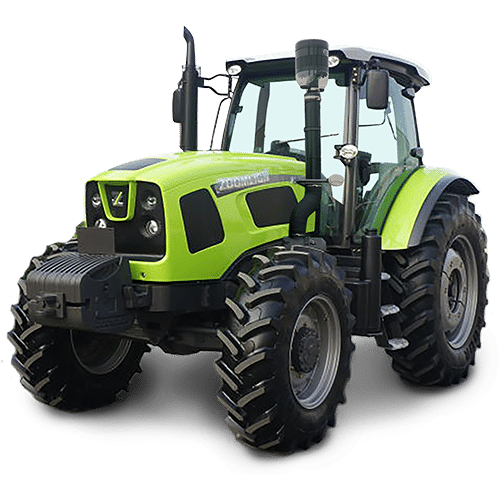
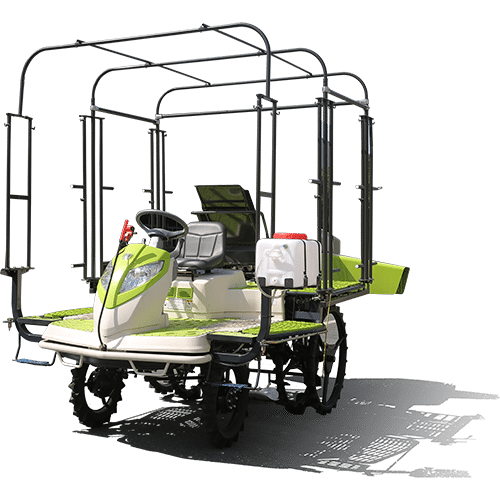
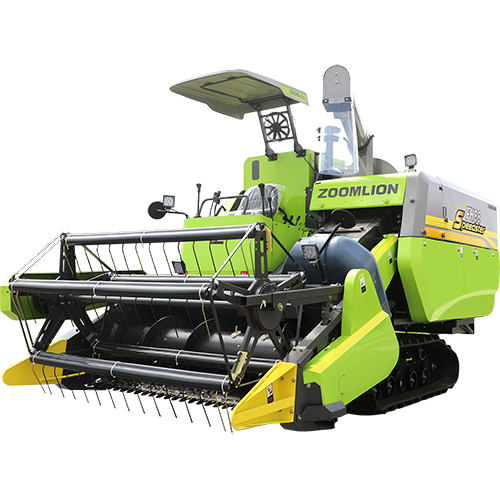
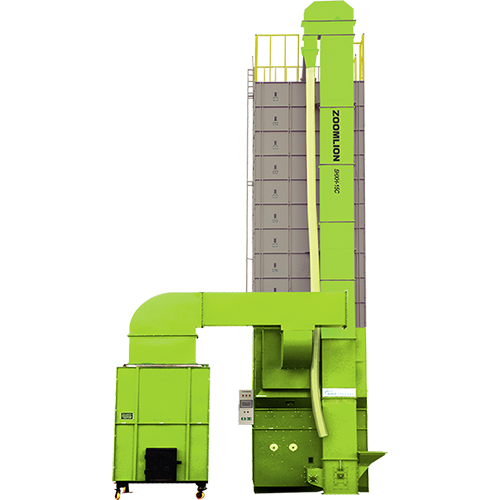
 ZOOMLOINFull-process mechanization solutions
 ZOOMLOINProducts VR
 Global
Selecting Agricultural Machinery for Organic Farming Practices: A Comprehensive Guide
Categories: Knowledge
Published:2026-05-12
Selecting Agricultural Machinery for Organic Farming Practices: A Comprehensive Guide
Organic farming is gaining immense popularity as consumers become more health-conscious and environmentally aware. As we transition towards more sustainable agricultural methods, the selection of appropriate machinery plays a pivotal role in enhancing the efficiency and productivity of organic farms. This article will delve deep into the various aspects of selecting agricultural machinery specifically designed for organic farming practices.
Table of Contents
- Understanding Organic Farming and Its Importance
- The Role of Machinery in Organic Farming
- Types of Agricultural Machinery for Organic Farming
- Essential Features to Look for in Organic Farming Machinery
- Evaluating Your Specific Farming Needs
- Sustainable Practices in Machinery Selection
- Cost Considerations for Organic Farming Machinery
- Top Brands for Organic Farming Machinery
- FAQs About Organic Farming Machinery
- Conclusion
Understanding Organic Farming and Its Importance
Organic farming is a holistic approach that promotes sustainable agricultural practices, focusing on soil health, ecosystem balance, and biodiversity. It avoids the use of synthetic pesticides and fertilizers, relying instead on natural methods to enhance productivity. By understanding the principles and benefits of organic farming, one can better appreciate the significance of selecting the right machinery.
Organic farming not only yields healthier crops but also reduces environmental impact, making it a crucial component of sustainable agriculture. As farmers strive to meet growing demand for organic products, the choice of machinery becomes a vital consideration in ensuring efficiency and adherence to organic standards.
The Role of Machinery in Organic Farming
The machinery used in organic farming serves multiple functions, from soil preparation to planting, cultivating, and harvesting. Unlike conventional farming, organic methods often require specialized equipment to maintain soil integrity and support healthy crop growth without synthetic inputs.
**Key roles of machinery in organic farming include**:
- Soil Preparation: Tilling, aeration, and mulching to enhance soil structure and nutrient availability.
- Planting: Equipment that ensures precise spacing and depth while minimizing soil disruption.
- Cultivation: Tools designed to control weeds and pests while conserving soil health.
- Harvesting: Machinery that efficiently gathers crops while maintaining quality and reducing waste.
Types of Agricultural Machinery for Organic Farming
When selecting machinery for organic farming, it's important to consider various types that cater to specific tasks. Here are some essential categories:
1. Soil Preparation Equipment
**Tillers** and **plows** designed for organic practices often have features that minimize soil disruption. **Rotary tillers** can effectively prepare the soil while preserving beneficial organisms.
2. Seeders and Planters
**Precision seeders** are crucial for organic farms. They ensure that seeds are planted at the right depth and spacing, which helps in maintaining optimal growth conditions.
3. Weeding and Cultivation Tools
Using **mechanical weeders** and **cultivators** helps control weed growth without harming the ecosystem. Equipment such as **flame weeding machines** can also be effective in maintaining organic fields.
4. Harvesting Machinery
Harvesting equipment tailored for organic farming is designed to minimize handling and maintain crop quality. **Organic combines** and **harvesters** are essential for efficient crop collection.
5. Irrigation Systems
Efficient **irrigation systems**, such as drip or sprinkler systems, are vital to organic farming practices. They help conserve water and ensure that crops receive the right amount of moisture.
Essential Features to Look for in Organic Farming Machinery
When selecting machinery for organic farming, consider the following features to ensure they align with organic practices:
1. Soil Health Preservation
Choose machinery that minimizes soil compaction and maintains soil structure. Equipment with adjustable working depth is beneficial.
2. Environmental Sustainability
Opt for machines that are energy-efficient and produce minimal emissions. Innovative technology can lead to reduced energy consumption without compromising performance.
3. Versatility
Select multifunctional equipment that can perform various tasks, thereby reducing the need for multiple machines and lowering costs.
4. Durability and Maintenance
Invest in high-quality machinery that is durable and requires minimal maintenance. This will ensure longevity and reliability in the field.
5. Compliance with Organic Standards
Ensure that the machinery complies with organic farming standards and regulations, particularly concerning materials and methods used.
Evaluating Your Specific Farming Needs
Every organic farm is unique, and evaluating specific requirements is essential for selecting the right machinery. Consider the following factors:
1. Farm Size and Scale
The size of your farm will dictate the scale and type of machinery needed. Smaller farms may benefit from compact equipment, while larger operations may require more extensive machinery.
2. Crop Types and Rotation
Different crops may require specific equipment. Understand the needs of your crop rotation to select machinery that supports diverse planting.
3. Labor Availability
Assess the availability of labor and determine whether investing in machinery that requires less manual labor is beneficial for your operation.
4. Budget Constraints
Establish a budget for machinery purchases and consider both initial costs and long-term savings through efficiency and durability.
Sustainable Practices in Machinery Selection
Integrating sustainability into machinery selection is paramount for organic farming. Here are some best practices:
1. Investing in Modern Technology
Utilizing advanced technology such as precision agriculture tools can optimize resource use and minimize waste in organic farming.
2. Supporting Local Manufacturers
Buying equipment from local manufacturers can reduce transportation emissions and support the local economy, fostering sustainable business practices.
3. Regular Maintenance
Proper maintenance of machinery ensures efficiency and longevity, reducing the need for frequent replacements and minimizing environmental impact.
Cost Considerations for Organic Farming Machinery
Investing in agricultural machinery represents a significant expenditure. Here are some cost considerations for organic farmers:
1. Initial Investment vs. Long-Term Savings
While high-quality machinery may have a steep upfront cost, the long-term savings in efficiency and reduced labor costs can justify the investment.
2. Financing Options
Explore financing options, grants, and subsidies available for organic farmers to ease the financial burden of purchasing new machinery.
3. Used vs. New Equipment
Consider buying used equipment in good condition as a cost-effective alternative. Ensure thorough inspections to avoid unexpected repairs.
Top Brands for Organic Farming Machinery
When selecting machinery, it’s essential to consider reputable brands known for their commitment to quality and innovation in organic farming. Some top brands include:
1. John Deere
Renowned for their durable and efficient agricultural machinery, John Deere offers a range of products suited for organic practices.
2. New Holland
New Holland is known for its versatile machinery that meets the varying needs of organic farmers, ensuring efficient operations.
3. Massey Ferguson
Massey Ferguson provides reliable equipment designed for durability and high performance in organic farming conditions.
4. AG Leader Technology
AG Leader is at the forefront of precision agriculture technology, helping organic farmers optimize their operations.
5. CLAAS
CLAAS specializes in harvesting machinery designed for efficiency, particularly in organic crop collection and management.
FAQs About Organic Farming Machinery
1. What is the best machinery for small organic farms?
Compact tractors, hand-held seeders, and mechanized weeders are ideal for small organic farms, allowing for more manageable operations.
2. How do I choose the right seeder for organic farming?
Look for precision seeders that allow for adjustable depth and spacing, ensuring optimal seed placement while minimizing soil disturbance.
3. Can I use conventional machinery for organic farming?
While some conventional machinery can be adapted for organic farming, it is advisable to use equipment specifically designed to meet organic standards.
4. What are the maintenance requirements for organic farming machinery?
Regular maintenance includes routine inspections, cleaning, and servicing to ensure efficient operation and longevity of machinery.
5. Are there financial assistance programs for purchasing organic machinery?
Many countries offer grants, subsidies, and low-interest loans for organic farmers looking to invest in appropriate machinery. Check local government resources for more information.
Conclusion
Choosing the right agricultural machinery for organic farming is a crucial step in promoting sustainability and efficiency in farming practices. By understanding the unique requirements of organic farming, evaluating specific needs, and considering essential features, farmers can make informed decisions that enhance productivity and comply with organic standards. Investing in quality machinery not only contributes to the success of organic farming but also supports the broader goals of environmental stewardship and sustainable agriculture. As the organic market continues to grow, the right machinery will play an integral role in meeting consumer demand while preserving our planet's resources.
Recommended news


Zoomlion Agriculture Machinery Co., Ltd.
Technical Support: www.300.cn Hefei